Jerusalem in summer operates on a unique schedule compared with the rest of the year. The stone pavements absorb heat all day long, the cafes place tables outside, and the city’s cultural agenda is so rich that choosing only three activities per week seems like a defeat. If you are going to visit the city from June till September, here is what you really need to make time for.
The summer events in Jerusalem
The main feature of the festival is the Israel Festival, taking place between mid-July and early August (specifically, July 16 – August 1 in 2026). The festival showcases performances of dance, theater, and music in Israel as well as abroad. Previous Israel Festivals have kicked off with artists walking on a tightrope over the Ben Hinnom Valley, inspired by Philippe Petit’s tightrope walk in 1987. Tickets for the marquee shows sell out fast, so if there’s one thing to book before you fly, it’s this.
Right alongside it, the Sultan’s Pool becomes a nightly concert venue. The Jerusalem Festival East & West, usually held in June, brings Israeli rock bands and the Jerusalem East and West Orchestra onto the same stage, and the setting inside the old stone amphitheater earns the ticket price on its own. If you’re the type who plans a trip around summer events Jerusalem hosts each year, this is one to check for exact dates before you book flights, since the schedule shifts slightly year to year. Between the two venues alone, you could spend most of your summer in Jerusalem itinerary without ever leaving the walking distance of Sultan’s Pool.
In contrast, the Jerusalem Season of Culture lasts from July until September, bringing together various shows, installations, and even food events at venues such as Hansen House and the Jerusalem Theater. Towards the end of the season, there is the Jerusalem Sacred Music Festival, which comprises four days of music concerts all over small venues within the city, as well as an event called 3876m, which is a dialogue and food-related festival that takes place in unconventional locations such as Mount Zion and Silwan.
Since these are smaller and much easier to organize spontaneously, the Jerusalem Cinematheque hosts outdoor film screenings throughout the summer months on a terrace situated right opposite the walls of the Old City. You don’t have to make reservations most nights, and this can be useful if you find yourself without any plans or if it suddenly becomes chilly.
Planning around the Israel Festival Jerusalem and beyond
If theater and dance aren’t quite your thing, there’s plenty else going on, and most of it fits comfortably into the same trip as the Israel Festival Jerusalem draws its bigger crowds for. Jerusalem Wine Festival is held at the Israel Museum during July and August, where dozens of Israeli wineries participate with live music performed under the trees. August will be the time of the Beer Festival, which is organized at the former train station located on Hebron Road. Over a hundred beers will be offered by famous brands as well as small breweries. It will be worth paying attention to the Puppet Theater Festival that will be held for families in late August.
The Mahane Yehuda market changes its character after sunset. What’s a produce and spice market by day turns into a strip of bars, DJs, and street food once the stalls close, usually from Thursday through Saturday night. It’s crowded, loud in a good way, and a five-minute walk from most hotels in the city center, which makes it an easy add to any evening that doesn’t have a ticketed event on the calendar.
None of this requires much advance planning beyond checking dates, since most events post their full lineup only a few months ahead. What we’d suggest instead: pick one or two anchor events tied to your travel dates; the Israel Festival Jerusalem program is a good one to start with, and leave the rest of your evenings open for whatever’s happening nearby.
Paamonim Hotel Jerusalem: a base built for summer
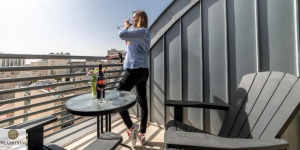
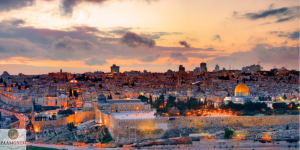
Paamonim Hotel Jerusalem sits at King George 4, right where the shopping streets, the Old City views, and most of the summer festival venues meet in the middle. The hotel is a small boutique property, with three room types (Standard Double, Deluxe Double, and Deluxe Family), each air-conditioned, which matters more in July and August than any other feature on a spec sheet. Several rooms look out toward the Old City, so the view that most visitors spend a whole afternoon walking to get is sometimes just outside the window.
Mornings start with an Israeli breakfast spread in the dining room, heavy on fresh vegetables, cheeses, and warm bread, which is a practical way to fuel up before the heat sets in and you want to be done with sightseeing by early afternoon. The location on King George Street puts the Knesset, the Western Wall, and the Old City’s four quarters all within a walk or a short taxi ride, and it’s the same distance in the other direction to Sultan’s Pool and the Israel Museum, where most of the season’s headline festivals happen.
For a Jerusalem in summer trip specifically, that central position cuts out the part of the day that’s hardest to enjoy here: the hot, exposed walk back to a hotel that’s twenty minutes outside the center.
Cooling off: day trips from the city
Even with a full festival calendar, Jerusalem in summer benefits from at least one day away from the stone streets. The Dead Sea is about a 45-minute drive, and going early, before 9 am, means swimming and floating before the heat becomes uncomfortable rather than scenic. Ein Gedi Nature Reserve, on the way, has spring-fed pools and shaded trails that stay noticeably cooler than the city, and it’s a manageable half-day trip if you’re back by early afternoon.
Closer to home, the Jerusalem Biblical Zoo has enough tree cover and water features to make a hot afternoon bearable, and it’s especially good with kids who’ve had enough of walking between historic sites. The Israel Museum’s sculpture garden is shaded and quiet most mornings, worth combining with a wine festival evening if the dates line up.
Rental cars are an option for the Dead Sea run, but organized day tours from the city center are usually simpler in summer, since most include an early pickup and air-conditioned transport for the drive back when the heat is at its worst. If you’d rather stay closer, the Sataf springs just outside the city offer a shorter, cooler hike through old agricultural terraces with a natural pool at the bottom, doable as a half-morning trip without the long drive east.
Eating in summer: Food and reservations in the heat
Summer changes how the city eats, too. Restaurants extend their outdoor seating late into the evening, and reservations for the popular spots around Emek Refaim and the German Colony fill up fast on festival nights, so booking a table for after a show is worth doing the same afternoon rather than showing up and hoping. Cold soups, chilled avocado dishes, and iced coffee drinks show up on menus that skip them the rest of the year, and the fresh produce at Mahane Yehuda peaks in July and August, when stone fruit and tomatoes are cheap and actually taste like something.
For a lighter, faster option, the falafel and shawarma stands along Jaffa Street and King George Street stay open late and are a reliable way to eat well without committing to a sit-down reservation. Most are kosher, which matters if that’s a requirement for your trip, and the ones closest to King George Street tend to be less crowded than the more famous stalls deeper in the market.
Surviving Jerusalem’s afternoons
Jerusalem in summer is dry rather than humid, which helps, but afternoons still climb into the low 30s Celsius (high 80s to low 90s Fahrenheit). A few habits make a real difference. Plan outdoor sightseeing for morning or after 5 pm, when the light softens, and the Old City’s stone alleys stop radiating heat. Carry water everywhere; refill stations are common near major sites, but the walk between them can be longer than it looks on a map. Light layers work better than shorts and tank tops if you’re visiting religious sites, since dress codes at the Western Wall and Old City churches are enforced more strictly than you might expect.
Midday, roughly noon to 3 pm, is when the city itself seems to pause. Shops in the Old City souks quiet down, and many locals shift indoors or into shaded courtyards until the worst of the heat passes. Building your schedule around that rhythm rather than against it makes the whole day easier: an early start for sightseeing, a slow indoor stretch with lunch or a museum, then evenings that stretch out for events, markets, and dinner.
A hat and sunscreen matter more here than most travelers expect, since Jerusalem’s elevation (around 800 meters) means the sun is stronger than the temperature alone would suggest. Sandals are fine for most of the day, but the uneven stone paths in the Old City and around the Western Wall plaza are easier in closed shoes with real soles.
Evenings are the real reward. Once the sun drops, the temperature is genuinely pleasant, and that’s when the city’s outdoor festival scene comes alive anyway. A late dinner on a rooftop near King George Street, followed by a walk toward whatever concert or market is happening that night, is a pretty reliable way to spend a summer evening here.
Getting around: light rail, taxis, walking
The light rail runs the length of Jaffa Street and is air-conditioned, which makes it a genuinely good option for moving between the city center and the Old City’s Damascus Gate without a long walk in the heat. A single ride costs a few shekels, and a Rav-Kav card, sold at most stations, works across buses and trains if you’re planning more than a couple of trips. Taxis and ride-hailing apps cover the rest, and fares within the city center are short enough that splitting a cab after a late festival is usually cheaper than it sounds.
Walking is still the best way to see the Old City itself, but treat it as a morning or evening activity rather than a midday one. If a festival venue is more than fifteen minutes on foot from where you’re staying, it’s worth checking the light rail route before you leave, since parking near Sultan’s Pool and the Israel Museum gets tight on event nights and a taxi drop-off point can end up further from the entrance than the nearest train stop.
Conclusion
Checking festival dates before booking flights saves the most disappointment, since some of the bigger events shift by a week or two year to year and smaller ones sometimes only confirm dates two or three months out. Pack for both ends of the day: something light for the midday heat, and a layer for the evenings, which cool off faster than you’d expect once the sun is fully down.
The one thing worth deciding early is where you’re staying, since it shapes how much of the day gets lost to travel. Paamonim Hotel sits on King George Street, close enough to reach Sultan’s Pool, the Israel Museum, and the Old City on foot or a short taxi ride. After a festival that runs past midnight, that’s the difference between a five-minute walk and a half-hour ordeal in heat that hasn’t fully let go yet. Get the location right, and the rest of a trip built around Jerusalem in summer tends to fall into place on its own.