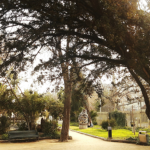
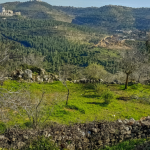
Paamonim Hotel Jerusalem allows visitors to experience Jerusalem beyond accommodation, since we want guests to connect deeply with Jerusalem’s cultural heritage and natural and historical elements in the Holy City. Those who visit Jerusalem typically seek out historic landmarks and spiritual sites, yet the city also features peaceful, secluded destinations that provide urban relief. The Jerusalem Botanical Gardens is a wonderful attraction set among diverse flora, only a few kilometers from our hotel.
Visitors can explore over 6,000 plant species spread across more than 30 acres, a journey through global biodiversity in one park. Nature lovers, photographers, families seeking an active outing, and anyone who loves landscaped gardens will all find something worthwhile at this site. During your stay at Paamonim Hotel Jerusalem, we recommend reserving time for a visit to the Jerusalem Botanical Gardens.
A Green Paradise in the Heart of Jerusalem
The Jerusalem Botanical Gardens are located in the National City area near the Knesset, a short distance from Paamonim Hotel Jerusalem. The garden’s peaceful natural setting stands apart from the busy Jerusalem streetscape, offering a different kind of calm than the city’s famous religious and historical landmarks.
The gardens are organized into themed sections, each displaying plants from a different part of the world, turning a single visit into a journey across continents. The atmosphere stays calm throughout, with leaf rustling, birdsong, and the sound of water from the garden’s lakes and ponds, making it an easy place to unwind while exploring different ecosystems in one setting.
History and Significance of the Jerusalem Botanical Gardens
The Jerusalem Botanical Gardens have a history spanning nearly a century. The garden’s origins trace back to 1926, when land on Mount Scopus was purchased to establish a Hebrew University botanical garden intended to teach students about regional flora and support plant research, with planting beginning in 1931.
The 1948 War of Independence cut off access to the Mount Scopus site, and the garden was relocated, with the current Nayot location taking shape from 1962 onward. Development slowed during the economic hardship of the mid-1960s until a dedicated group of supporters revived the project in 1975. The gardens became a joint effort of the Hebrew University, the City of Jerusalem, and the Jewish National Fund, opening to the public in 1985. Since 1996, the gardens have operated independently under the Botanical Garden Association, continuing their work in plant conservation and environmental education.
Exploring the Gardens: A Journey Across Continents
The Jerusalem Botanical Gardens are organized into regional sections, each showcasing native plant life from a different part of the world, letting visitors explore a wide range of ecosystems without leaving Jerusalem.
The Mediterranean Basin
Added in 1979, this section displays native plants from the Mediterranean region, including Jerusalem’s own surroundings. Visitors will find olive trees and traditional wild herbs such as rosemary, thyme, and lavender, plants that have long played a role in regional cuisine and natural medicine. Many of these plants bloom vibrantly in spring.
Southwest and Central Asia
One of the garden’s first major developed areas, this section showcases plant life native to Southwest and Central Asia, reflecting the broader plant geography of the region surrounding Israel.
South Africa
Planted starting in 1989, this section is home to plant species adapted to South Africa’s varied climate, demonstrating how plant life adjusts to very different growing conditions than Jerusalem’s own.
North American Conifers
A grove of conifers native to North America was the first planting at the garden’s current site, and it remains a distinctive section, offering shade and a different texture of greenery from the rest of the gardens.
Family-Friendly Attractions and Activities
The Jerusalem Botanical Gardens welcome visitors of every age, from serious plant enthusiasts to families spending the day together. Children enjoy the Enchanted Trail, a storybook-themed path through the gardens with interactive installations and small surprises along the way, combining play with a gentle introduction to plants and nature.
The gardens also offer a mini train that runs guided routes through the grounds, a relaxed option for children, older visitors, or anyone who would rather not walk the full distance. Seasonal workshops and educational programs round out the gardens’ offerings, including sustainable gardening sessions and arrangement classes that teach guests about biodiversity and environmental care.
Why Stay at Paamonim Hotel Jerusalem When Visiting the Botanical Gardens?
Staying at Paamonim Hotel Jerusalem puts you close to the Jerusalem Botanical Gardens and the rest of the city’s major sites. The hotel’s central location means guests can easily reach the gardens alongside Jerusalem’s historic and religious landmarks. Browse the hotel’s rooms to find the right fit for your stay.
Guests enjoy comfortable rooms with modern amenities and panoramic views across the city, along with staff on hand to help with recommendations, transportation, and tour bookings. A full Israeli breakfast each morning gives guests the energy to explore, whether that means a quiet morning at the gardens or a full day discovering the rest of Jerusalem.
Conclusion
The Jerusalem Botanical Gardens are a peaceful, worthwhile stop in a city best known for its historic and religious sites, combining natural beauty with a genuine sense of calm. With Paamonim Hotel Jerusalem just a short distance away, a visit to the gardens is an easy addition to any stay in the city.
Frequently Asked Questions
Where are the Jerusalem Botanical Gardens located?
The Jerusalem Botanical Gardens are located in the Nayot neighborhood, in the National City area near the Knesset, a short distance from Paamonim Hotel Jerusalem.
How many plant species are in the Jerusalem Botanical Gardens?
The gardens hold over 6,000 plant species, organized into themed regional sections including the Mediterranean Basin, Southwest and Central Asia, South Africa, and North American conifers.
Are the Jerusalem Botanical Gardens good for families?
Yes, the gardens offer the Enchanted Trail for children, a guided mini train, and open paths that make them suitable for a relaxed family outing.
Is Paamonim Hotel Jerusalem close to the Botanical Gardens?
Yes, the hotel is a short distance away, making it a convenient base for visiting the gardens along with the rest of Jerusalem.
When did the Jerusalem Botanical Gardens open to the public?
The gardens opened to the public in 1985, after relocating from Mount Scopus and developing at their current Nayot site starting in the 1960s.